Los Ángeles, CA – El 13 de julio, el vibrante distrito de las Artes del Downtown LA-Rolling Greens se transformó en una delicia gastronómica con la celebración del inaugural Asada Fest 2024. Desde las 4:00 pm hasta las 10:00 pm, el evento, presentado por Northgate Gonzalez Market, reunió a algunos de los chefs más reconocidos de México y Estados Unidos, creando una experiencia culinaria inolvidable. El evento, tuvo lugar en 1005 Mateo Street y atrajo a miles de entusiastas de la comida, amantes de la cultura y curiosos que buscaban una experiencia gastronómica auténtica y memorable, mientras gozaban de música en vivo, lucha libre, master clases de cocina y bebidas espirituosas.
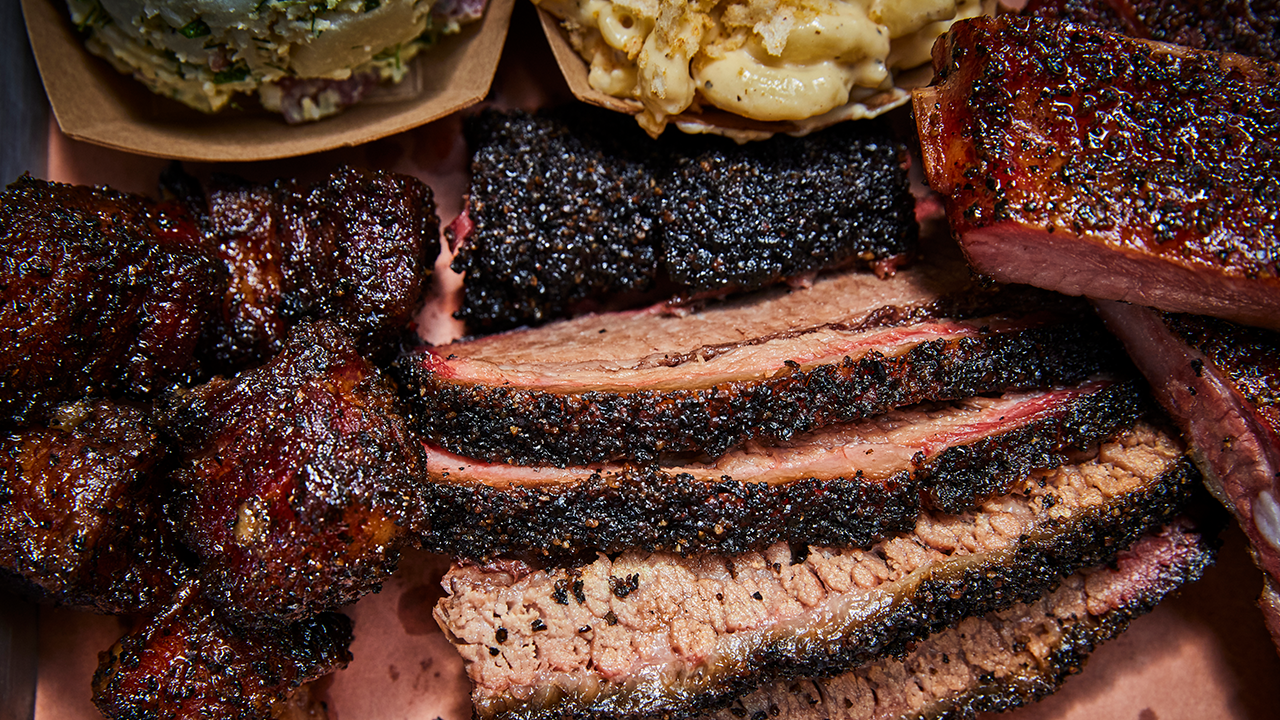
Las parrillas de mezquite chisporrotearon con carnes jugosas y aromáticas, mientras que los asistentes disfrutaron de una variedad de bebidas típicas de diferentes regiones de México. así como aguas frescas. Tres escenarios para satisfacer el gusto de todos resonaba con la música en vivo y DJs para crear un ambiente festivo y acogedor. Los asistentes tuvieron la oportunidad de saborear una amplia gama de platillos, desde los tradicionales tacos de carne asada hasta creaciones más innovadoras que fusionan técnicas modernas con sabores auténticos mexicanos.
Los chefs interactuaron con el público, compartiendo sus historias y secretos culinarios, lo que enriqueció aún más la experiencia, así podemos interactuar con "Los Meros Meros" de la carne asada, quienes han dejado una marca indeleble en el mundo gastronómico con sus habilidades excepcionales. y su creatividad.
Además de poder platicar con los reconocidos chefs pudimos degustar las recetas de Javier Plascencia, un pionero de la cocina Baja Med, famoso por su influencia en la escena culinaria de Baja California, reconocido por la Guía Michelin. Claudette Zepeda, originaria de San Diego y exconcursante de Top Chef, conocida por sus platos innovadores que reflejan su rica herencia cultural. RobeGrill, una sensación viral de Hermosillo, Sonora, que trajo su vibrante y auténtico sabor sonorense al festival. Daniel Castillo de Heritage Barbecue, conocido por sus irresistibles carnes ahumadas estilo chicano que han creado largas filas en San Juan Capistrano. Yesenia Ríos, una talentosa chef de la prestigiosa Escuela de Artes Culinarias de Tijuana. Nereida Vejar, la cocinera tradicional más celebrada de Sonora, especializada en la carnicería de reses completas para asada, famosa por su aparición en la serie de Netflix "Las Crónicas del Taco". Todos ellos reunidos en un festival nos han dejado una experiencia sensorial completa. Difícil de olvidar.
El Asada Fest inaugural fue un rotundo éxito, logrando unir a personas de diferentes orígenes para celebrar la rica cultura y tradiciones culinarias de México. Con una primera edición tan exitosa, ya se espera con ansias la próxima edición del Asada Fest. Los organizadores prometen continuar celebrando la rica herencia culinaria de México y seguir sorprendiendo a los asistentes con nuevos y emocionantes sabores.
Para más información sobre futuros eventos, visite el sitio web oficial de Asada Fest y sígales en sus redes sociales.
Las parrillas de mezquite chisporrotearon con carnes jugosas y aromáticas, mientras que los asistentes disfrutaron de una variedad de bebidas típicas de diferentes regiones de México. así como aguas frescas. Tres escenarios para satisfacer el gusto de todos resonaba con la música en vivo y DJs para crear un ambiente festivo y acogedor. Los asistentes tuvieron la oportunidad de saborear una amplia gama de platillos, desde los tradicionales tacos de carne asada hasta creaciones más innovadoras que fusionan técnicas modernas con sabores auténticos mexicanos.
Los chefs interactuaron con el público, compartiendo sus historias y secretos culinarios, lo que enriqueció aún más la experiencia, así podemos interactuar con "Los Meros Meros" de la carne asada, quienes han dejado una marca indeleble en el mundo gastronómico con sus habilidades excepcionales. y su creatividad.
Además de poder platicar con los reconocidos chefs pudimos degustar las recetas de Javier Plascencia, un pionero de la cocina Baja Med, famoso por su influencia en la escena culinaria de Baja California, reconocido por la Guía Michelin. Claudette Zepeda, originaria de San Diego y exconcursante de Top Chef, conocida por sus platos innovadores que reflejan su rica herencia cultural. RobeGrill, una sensación viral de Hermosillo, Sonora, que trajo su vibrante y auténtico sabor sonorense al festival. Daniel Castillo de Heritage Barbecue, conocido por sus irresistibles carnes ahumadas estilo chicano que han creado largas filas en San Juan Capistrano. Yesenia Ríos, una talentosa chef de la prestigiosa Escuela de Artes Culinarias de Tijuana. Nereida Vejar, la cocinera tradicional más celebrada de Sonora, especializada en la carnicería de reses completas para asada, famosa por su aparición en la serie de Netflix "Las Crónicas del Taco". Todos ellos reunidos en un festival nos han dejado una experiencia sensorial completa. Difícil de olvidar.
El Asada Fest inaugural fue un rotundo éxito, logrando unir a personas de diferentes orígenes para celebrar la rica cultura y tradiciones culinarias de México. Con una primera edición tan exitosa, ya se espera con ansias la próxima edición del Asada Fest. Los organizadores prometen continuar celebrando la rica herencia culinaria de México y seguir sorprendiendo a los asistentes con nuevos y emocionantes sabores.
Para más información sobre futuros eventos, visite el sitio web oficial de Asada Fest y sígales en sus redes sociales.